Technical Knowledge: How to Ensure Accurate Wheel Alignment and Safe Four-Post Lift Operation
Sep 09, 2026
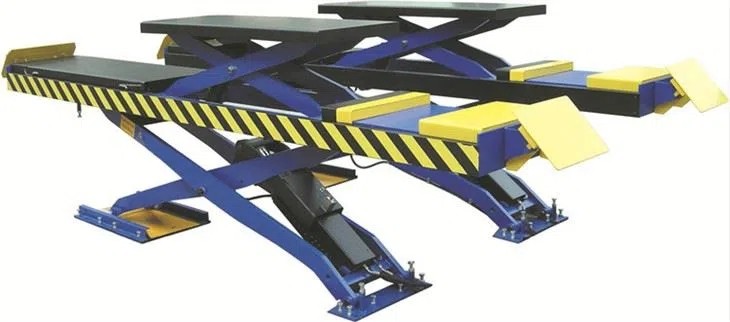
Wheel alignment systems and four-post lifts are essential pieces of equipment in modern automotive workshops. They help technicians improve repair efficiency, perform accurate inspections and provide professional wheel service. However, good equipment alone is not enough. Correct installation, proper operation and regular maintenance are equally important for safety, accuracy and long-term performance.
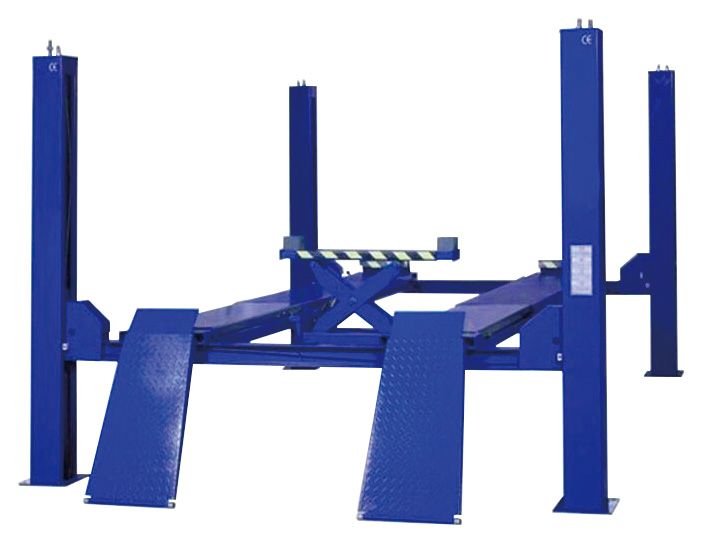
For a four-post lift, the first priority is always a stable installation. The lift should be installed on a solid and level concrete floor that meets the equipment requirements. Before operation, technicians should check all anchor bolts, hydraulic connections, cables, safety locks and electrical components. Any loose connection or abnormal condition should be corrected before lifting a vehicle.
When driving a vehicle onto the lift, make sure it is positioned correctly and evenly on the runways. The vehicle should remain stable before lifting begins. Operators must never exceed the rated lifting capacity of the equipment. Once the lift reaches the required working height, the mechanical safety locks should be fully engaged before any technician works underneath the vehicle.
For wheel alignment systems, accurate setup is the foundation of accurate measurement. The cameras, targets, turntables and wheel clamps must be installed and positioned correctly. Before starting an alignment, technicians should inspect the tyres, adjust tyre pressure and check whether there is abnormal wear or damage.
The vehicle should then be positioned correctly on the alignment lift. Wheel clamps and targets must be securely attached according to the operating instructions. During measurement, the technician should follow the alignment software step by step and avoid moving the vehicle or disturbing the targets unnecessarily.
Calibration is another important part of wheel alignment accuracy. If the system is newly installed, moved, serviced or producing unusual readings, calibration should be checked. Cameras and targets should also be kept clean because dust, dirt or physical damage may affect measurement quality.
Routine maintenance can significantly extend the service life of both the lift and the wheel alignment system. For four-post lifts, technicians should regularly inspect hydraulic oil levels, hoses, cables, moving parts and locking mechanisms. The runways, turntables and sliding plates should be kept clean and free of oil, tools and other obstacles.
For wheel alignment equipment, camera lenses, targets and clamps should be cleaned carefully and stored properly when not in use. Software and system settings should also be checked regularly to ensure the equipment is working normally.
Safety training is just as important as equipment maintenance. Only trained personnel should operate professional workshop equipment. New employees should receive clear guidance on operating procedures, lifting safety, daily inspection and emergency handling.
At HAOSAIL, we believe that professional equipment should be supported by professional technical knowledge. Correct operation not only helps reduce equipment failure, but also improves workshop efficiency, service quality and customer confidence.
By following proper installation, operating and maintenance procedures, workshops can get better performance, higher accuracy and longer service life from their equipment.
HAOSAIL — Professional Equipment, Reliable Service, Better Workshop Solutions.ces of equipment in modern automotive workshops. They help technicians improve repair efficiency, perform accurate inspections and provide professional wheel service. However, good equipment alone is not enough. Correct installation, proper operation and regular maintenance are equally important for safety, accuracy and long-term performance.