Two-Post vs Four-Post Car Lifts: What South African Workshop Owners Need to Know
Sep 01, 2026
If you are running an automotive workshop in South Africa, the lift you choose is the backbone of your daily operation. Get it right, and your mechanics work faster, safer, and with less strain. This guide breaks down the two-post lift — why it is the most popular choice for tyre, brake, and general service workshops, and what to look for when you buy one.
What Is a Two-Post Lift?
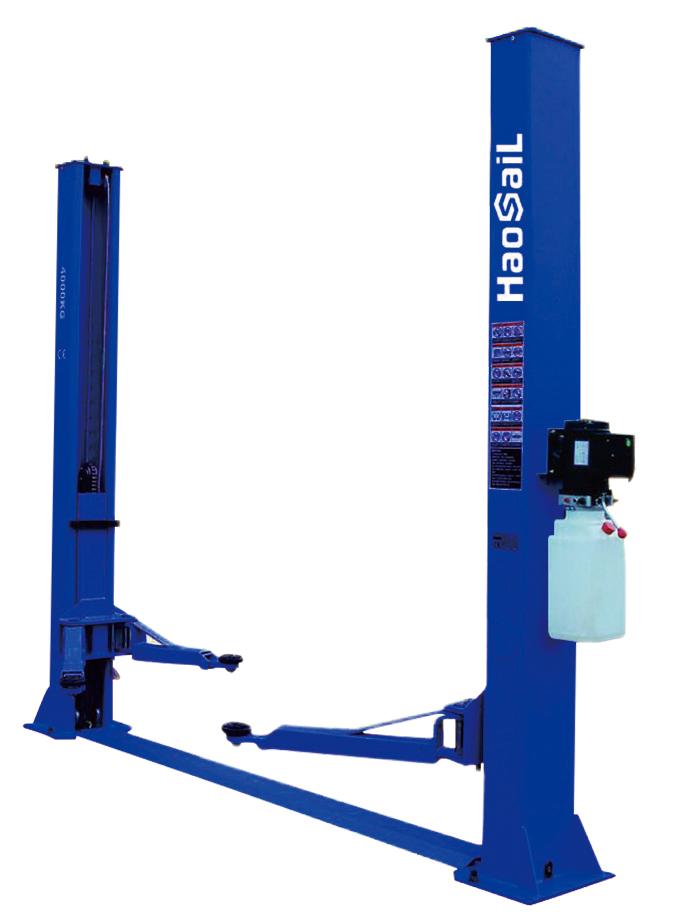
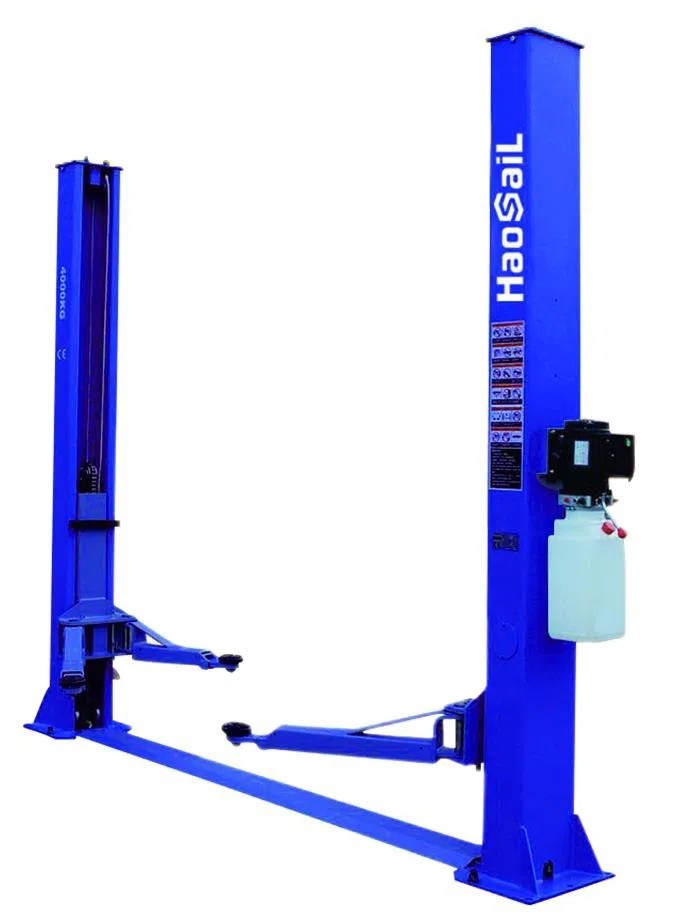
A two-post lift uses two vertical columns — one on each side of the vehicle — with adjustable lifting arms that reach under the car and pick it up by the manufacturer-approved jacking points. Unlike a four-post lift, which raises the entire vehicle on a platform, a two-post lift leaves the wheels hanging free. That makes it the go-to choice for brake work, tyre changes, suspension inspections, and underbody repairs.
Key Technical Specs to Check Before You Buy
Not all two-post lifts are built the same. Here are the four specs that separate a reliable machine from a headache: ●Lifting capacity — Most workshops in South Africa need at least 3.5 to 4 tons. That covers everything from a Toyota Corolla to a Toyota Hilux or Ford Ranger. If you work on light commercial vans, go straight to 4 tons. ●Lifting height — Standard two-post lifts raise vehicles to roughly 1.8 to 1.9 metres. That is enough for a mechanic to stand upright underneath, but check your ceiling height first. You need at least 3.2 to 3.5 metres of clear space. ●Arm configuration — Symmetric arms centre the vehicle between the posts. Asymmetric arms offset the vehicle slightly, giving you more room to open the doors. For general service work, asymmetric is usually the better choice.
Safety Features You Should Not Skip
A lift is only as good as its safety systems. At minimum, your two-post lift should have mechanical safety locks at multiple height intervals (not just hydraulic holding), automatic arm restraints that prevent the arms from slipping if the load shifts, and a pressure relief valve to stop overloading. CE or ISO certification is a baseline — it means the design has been third-party tested.
Installation: What to Expect
A two-post lift needs a solid concrete floor — minimum 150 mm thick, with a compressive strength of at least 25 MPa. The posts are anchored with expansion bolts or chemical anchors, depending on the floor condition. If your workshop floor is cracked, thin, or built on fill, get a structural assessment before you install. Electrical connection is straightforward: a dedicated circuit breaker, proper earth bonding, and a local emergency stop button within reach of the operator. A qualified electrician should handle the wiring — this is not a DIY job.
Maintenance: Keep It Running for Ten Years
Two-post lifts are low-maintenance, but not no-maintenance. Every six months, grease the arm pivot pins and carriage rollers. Every year, change the hydraulic oil and inspect the cables or chains. If you hear unusual noise during lifting — grinding, clicking, or hydraulic whine — stop using the lift and call a technician. The good news: most wear parts are standard sizes. At HAOSAIL, we keep a full spare parts inventory in Pretoria, so you are not waiting for a shipment from China when your lift goes down.
Still Unsure Which Lift Fits Your Workshop?
Choosing the right lift comes down to three questions: What vehicles do you service? How much ceiling height do you have? And what is your power supply? Answer those, and the right machine becomes obvious. If you want a second opinion, come to the HAOSAIL showroom in Pretoria. We have lifts on display, a technician who can measure your bay, and honest advice on what works for your space.