
Oct 09, 2026

Sep 22, 2026

Sep 16, 2026

Sep 16, 2026
B4, Qingdao High-Tech Zone, No. 17 Songyuan Road, Qingdao.
+86 13864822549
HAOSAIL / WORKSHOP INSIGHTS
A guide for automotive workshops
A customer arrives with uneven tyre wear. Another reports vibration through the steering wheel. Both concerns involve the wheels and tyres, but they may require different checks and repairs. Understanding the difference between wheel alignment and wheel balancing helps workshops explain their services and select the appropriate equipment.
WHEEL & STEERING GEOMETRY
Wheel alignment concerns the geometry of the wheels and steering system. An alignment system measures angles such as camber, caster and toe, allowing technicians to compare the readings with the vehicle manufacturer's specifications. Technicians then make the permitted adjustments where necessary. Correct alignment helps limit wear caused by incorrect wheel angles and supports predictable handling.
TYRE & WHEEL MASS DISTRIBUTION
Wheel balancing addresses uneven mass distribution in a tyre and wheel assembly. A wheel balancer measures imbalance as the assembly rotates and indicates the corrective weight required and its position. The technician applies suitable balance weights and checks the result. This service helps reduce vibration caused by imbalance and is typically part of fitting replacement tyres.
Two services. Different purposes.
The two services are not interchangeable. Balancing does not correct suspension geometry, and an alignment does not correct an unbalanced wheel assembly. A vehicle may need one service, both services, or a different repair altogether, depending on the inspection findings.
Symptoms provide useful clues, but they are not a diagnosis. Pulling to one side or irregular tyre wear can justify an alignment check, while vibration can justify checking wheel balance. However, tyre pressure differences, tyre damage, bent wheels and worn steering or suspension parts can also contribute to complaints. Technicians should identify the cause before recommending a service.
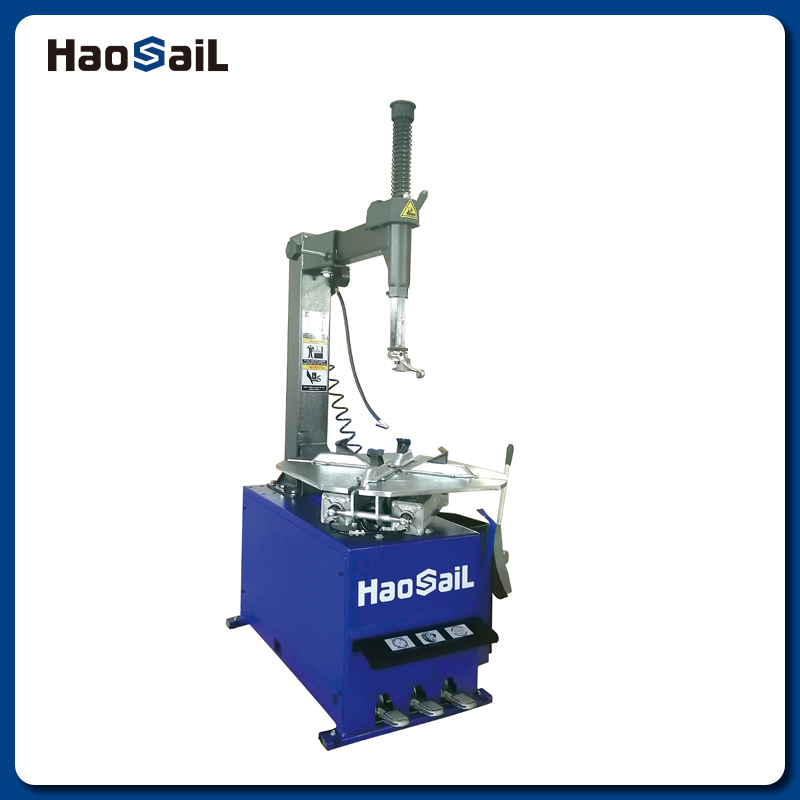
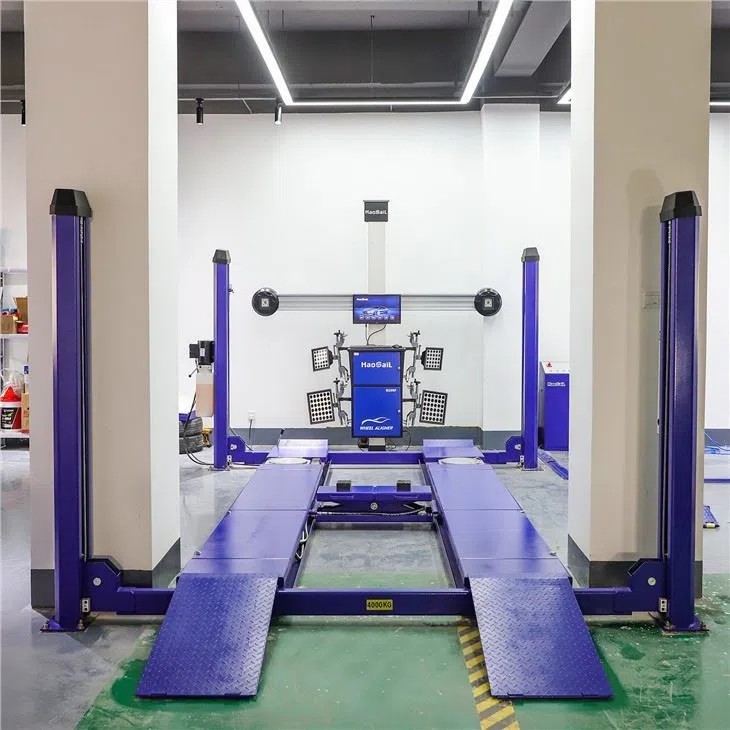
For a workshop offering both services, each piece of equipment has a distinct role. Wheel alignment equipment supports angle measurement and adjustment guidance. A wheel balancer supports imbalance correction. A tyre changer handles tyre removal and fitting, while a compatible alignment lift provides the working platform for alignment service. Planning around these tasks helps define what the workshop needs.
Before requesting an equipment quotation, prepare a clear description of the vehicles and wheel sizes you service, your expected workload and your available space.
Clear communication matters at the service counter. Explain what was inspected, what the measurements show and why a particular service is recommended. Where available, use measurement reports to support that explanation and document the work performed.
PLAN YOUR NEXT STEP WITH HAOSAIL
Contact HAOSAIL with your vehicle range, workshop layout and equipment requirements to discuss a suitable configuration for your business.