Nothing kills productivity in an auto repair shop faster than a sudden car lift breakdown. Every hour your lift is down means lost revenue, delayed jobs, and frustrated customers. Most common issues don't require a costly service call – they can be fixed in minutes with basic tools and the right guidance.
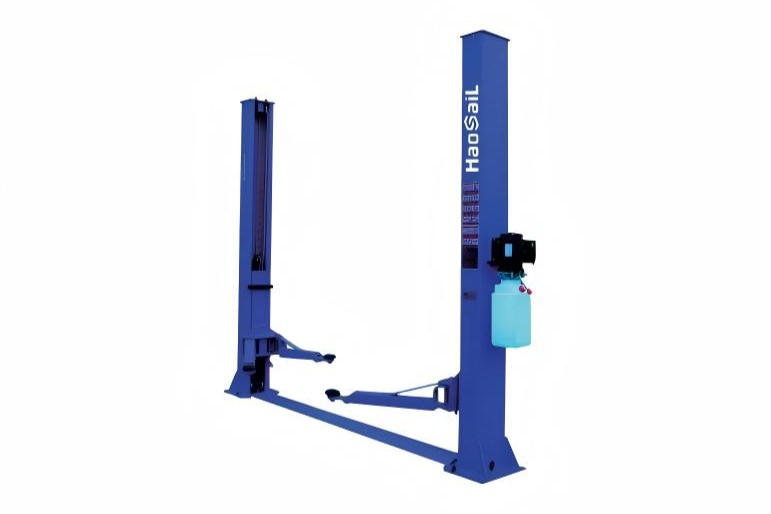
This official Haosail troubleshooting guide covers the 6 most frequent problems our customers face worldwide. We break down each issue with clear symptoms, root causes, and step-by-step solutions that any technician can follow. Get your lift back up and running fast, and keep your shop operating smoothly.
Fault 1: Motor Does Not Run – No Response When Pressing Controls
✅ Core Inspection Focus: Electrical system, power supply, safety interlocks
|
Possible Cause
|
Step-by-Step Solution
|
|
Circuit breaker or thermal relay tripped
|
1. Locate the main circuit breaker and ensure it is in the ON position
2. Press the reset button on the thermal relay (usually red)
3. If it trips again immediately, stop and check for short circuits
|
|
Incorrect or unstable power supply
|
1. Verify the incoming voltage matches the nameplate rating (220V/380V)
2. Check for voltage drops under load
3. Ensure the power cable gauge is sufficient for the motor
|
|
Loose or disconnected wiring
|
1. Turn off the main power before inspecting
2. Check all terminal connections at the motor, contactor, and control box
3. Tighten any loose terminals and repair damaged wires
|
|
Faulty limit switch or emergency stop
|
1. Ensure the emergency stop button is fully released
2. Check that the upper limit switch is not stuck in the activated position
3. Test the switch with a multimeter and replace if defective
|
|
Burned-out motor coil
|
1. Test the motor windings with a multimeter for continuity
2. If no continuity is detected, replace with a genuine Haosail OEM motor
|
Fault 2: Motor Runs But Lift Will Not Lift At All
✅ Core Inspection Focus: Hydraulic system, motor rotation, safety locks
|
Possible Cause
|
Step-by-Step Solution
|
|
Motor running in reverse
|
1. Swap any two of the three power supply phases
2. Test the lift briefly to confirm correct rotation
|
|
Insufficient hydraulic oil level
|
1. Check the oil level sight glass or dipstick
2. Add the recommended hydraulic oil (N32/N46) to the correct level
3. Bleed air from the system after adding oil
|
|
Air in the hydraulic system or loose suction line
|
1. Tighten all connections on the suction side of the pump
2. Run the lift up and down several times to bleed trapped air
3. Check for leaks at all hose connections
|
|
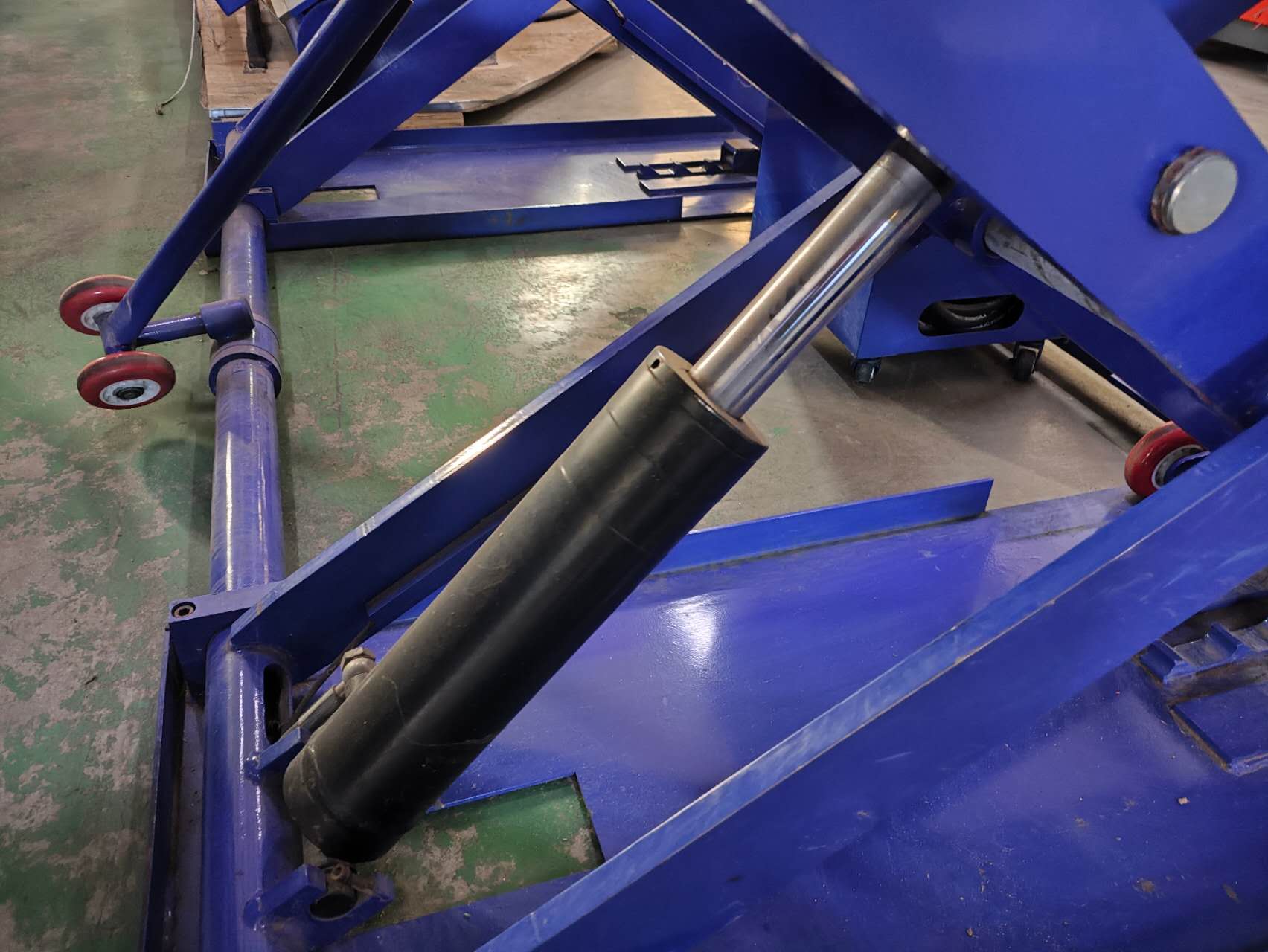
Faulty or stuck down valve
|
1. Remove and clean the down valve body
2. Inspect the valve spool for debris or damage
3. Replace the valve if cleaning does not resolve the issue
|
|
Exceeding rated load capacity
|
1. Remove any excess weight from the lift
2. Never exceed the maximum load capacity marked on the nameplate
|
|
Safety lock engaged or jammed
|
1. Ensure all safety locks are fully released
2. Lubricate the lock mechanism if it is sticking
|
Fault 3: Lifts Empty But Not With Load / Weak Lifting Power
✅ Core Inspection Focus: System pressure, voltage, valve contamination
|
Possible Cause
|
Step-by-Step Solution
|
|
Low incoming voltage under load
|
1. Measure the voltage at the motor terminals while the lift is running
2. Ensure the power supply can handle the motor's current draw
3. Upgrade the power cable if necessary
|
|
Contamination in the down valve
|
1. Disassemble the down valve and clean all components thoroughly
2. Flush the hydraulic system if significant contamination is found
|
|
Incorrect relief valve pressure setting
|
1. Locate the pressure relief valve on the power unit
2. Gradually increase the pressure setting while testing the lift under load
3. Never exceed the pressure rating specified in your manual
|
|
Worn hydraulic pump seals
|
1. Check for excessive pump noise or oil leakage around the pump shaft
2. Replace the pump seals or the entire pump assembly if necessary
|
Fault 4: Lift Slowly Lowers On Its Own (No Button Pressed)
✅ Core Inspection Focus: Hydraulic leaks, valve sealing
|
Possible Cause
|
Step-by-Step Solution
|
|
Debris in the down valve preventing proper sealing
|
1. Clean the down valve body and spool thoroughly
2. Replace the valve seals if they show signs of wear
|
|
Leakage in the hydraulic system
|
1. Inspect all hoses, fittings, and cylinders for signs of oil leakage
2. Tighten loose fittings and replace damaged hoses or seals
3. Check the cylinder piston rod for scratches that could damage seals
|
|
Faulty check valve in the power unit
|
1. Inspect and clean the check valve
2. Replace the check valve if it is damaged or worn
|
Fault 5: Extremely Slow Lifting Or Lowering Speed
✅ Core Inspection Focus: Air in system, pump condition, oil viscosity
|
Possible Cause
|
Step-by-Step Solution
|
|
Air trapped in the hydraulic system
|
1. Run the lift through several full up/down cycles
2. Check the oil level and top up if necessary
3. Bleed air from the cylinder bleeder valves if equipped
|
|
Restricted or clogged oil filter
|
1. Remove and clean the hydraulic oil filter
2. Replace the filter if it is heavily contaminated
|
|
Incorrect hydraulic oil viscosity
|
1. Ensure you are using the recommended oil grade (N32/N46)
2. Drain and replace the oil if the wrong grade was used
|
|
Worn or damaged hydraulic pump
|
1. Check the pump for excessive noise or vibration
2. Test the system pressure with a pressure gauge
3. Replace the pump if pressure is below specifications
|
Fault 6: Uneven Lifting / Platform Tilted
✅ Core Inspection Focus: Balance system, installation foundation, synchronization
|
Possible Cause
|
Step-by-Step Solution
|
|
Uneven tension in balance cables (2-post/gantry lifts)
|
1. Lower the lift completely to the ground
2. Adjust the cable tension nuts on both sides until tension is equal
3. Test the lift through several cycles to confirm even lifting
|
|
Unlevel installation floor
|
1. Check the floor level with a precision level
2. Use shims under the base plates to correct minor unevenness
3. Re-pour the foundation if the deviation exceeds 5mm
|
|
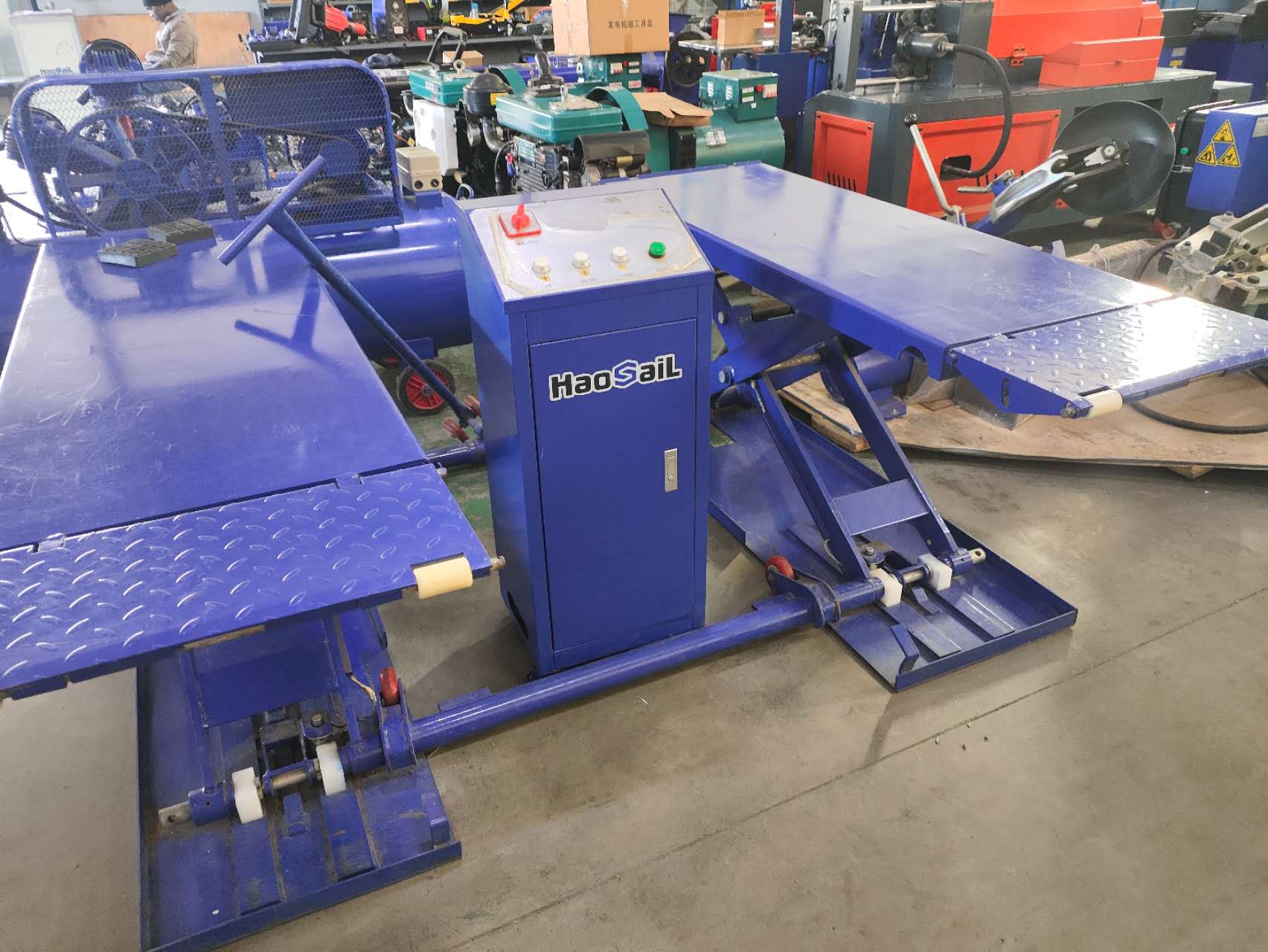
Out-of-sync master/slave scissors (scissor lifts)
|
1. Adjust the flow control valves on the master and slave cylinders
2. Fine-tune until both sides lift at the same rate
|
|
Bent or damaged lift arms
|
1. Inspect all lift arms for bends or cracks
2. Replace any damaged arms immediately – never attempt to straighten them
|
⚠️ CRITICAL SAFETY WARNING: Always perform troubleshooting with the lift fully lowered, no load on the platform, and the main power disconnected. Never work under a supported vehicle unless the mechanical safety locks are fully engaged. Never modify or bypass any safety devices.
If you have tried all the above solutions and still cannot resolve the issue, or if you need genuine Haosail OEM replacement parts, our global after-sales team is here to help. We offer fast shipping worldwide and technical support in multiple languages.
Contact us today with your lift model and serial number, and we will get your equipment back to peak performance as quickly as possible.